
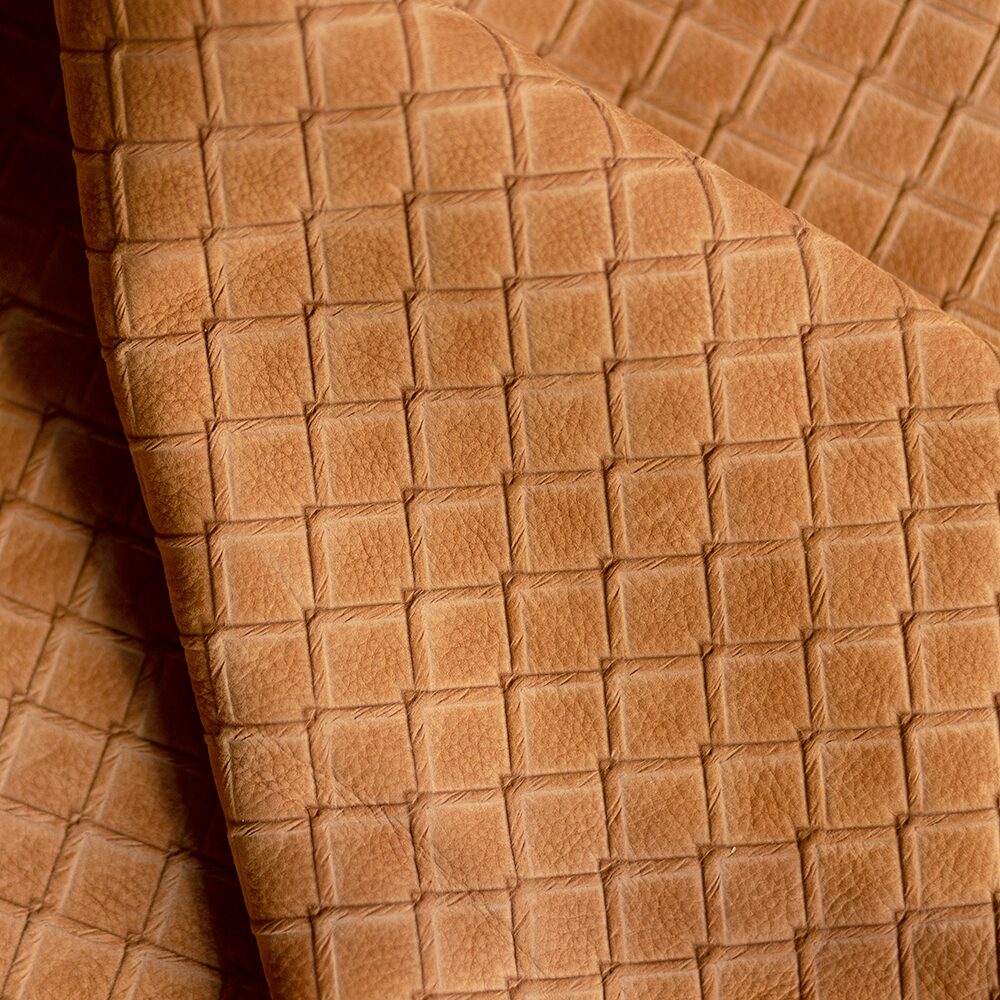
Leather is an ideal material for interior design, chosen not only for its elegant appearance and durability but also for its superior hygienic properties. Choosing leather furniture means selecting a material that is naturally hypoallergenic and anti-mite, making it a crucial element for maintaining a healthy indoor environment.
Why leather is naturally resistant to allergens
Unlike woven fabrics which can trap particles, leather has a smooth, compact surface. This physical structure prevents the accumulation of common irritants. Key health benefits include:
- Barrier against dust: leather does not retain dust, pollen, or pet dander.
- Anti-mite protection: it does not provide an environment conducive to the proliferation of dust mites, significantly reducing allergy risks.
- Mold resistance: the nature of the material hinders the growth of bacteria and mould.
Hygiene and maintenance: perfect for homes and businesses
Leather is synonymous with both luxury and practicality. Unlike fabric upholstery, leather does not easily absorb liquids or odours, making it perfect for environments where cleanliness is essential. Regular cleaning with a simple damp cloth is all that is needed to preserve its beauty and remove surface dirt, allowing for quick and effective sanitisation.
These characteristics make leather the excellent choice for:
- Domestic environments: for families seeking safety and easy maintenance.
- Professional settings: doctors' surgeries, waiting rooms, offices, hotels, and restaurants where high hygiene standards are a priority.
In summary, choosing leather furniture is not just a matter of style, but a guarantee of health, comfort, and safety in everyday life.