
Leather is one of the most sustainable materials available when viewed from the right perspective. It is used in the furniture, boating and automotive industries, as well as in fashion. Let's take a look at why this is the case.
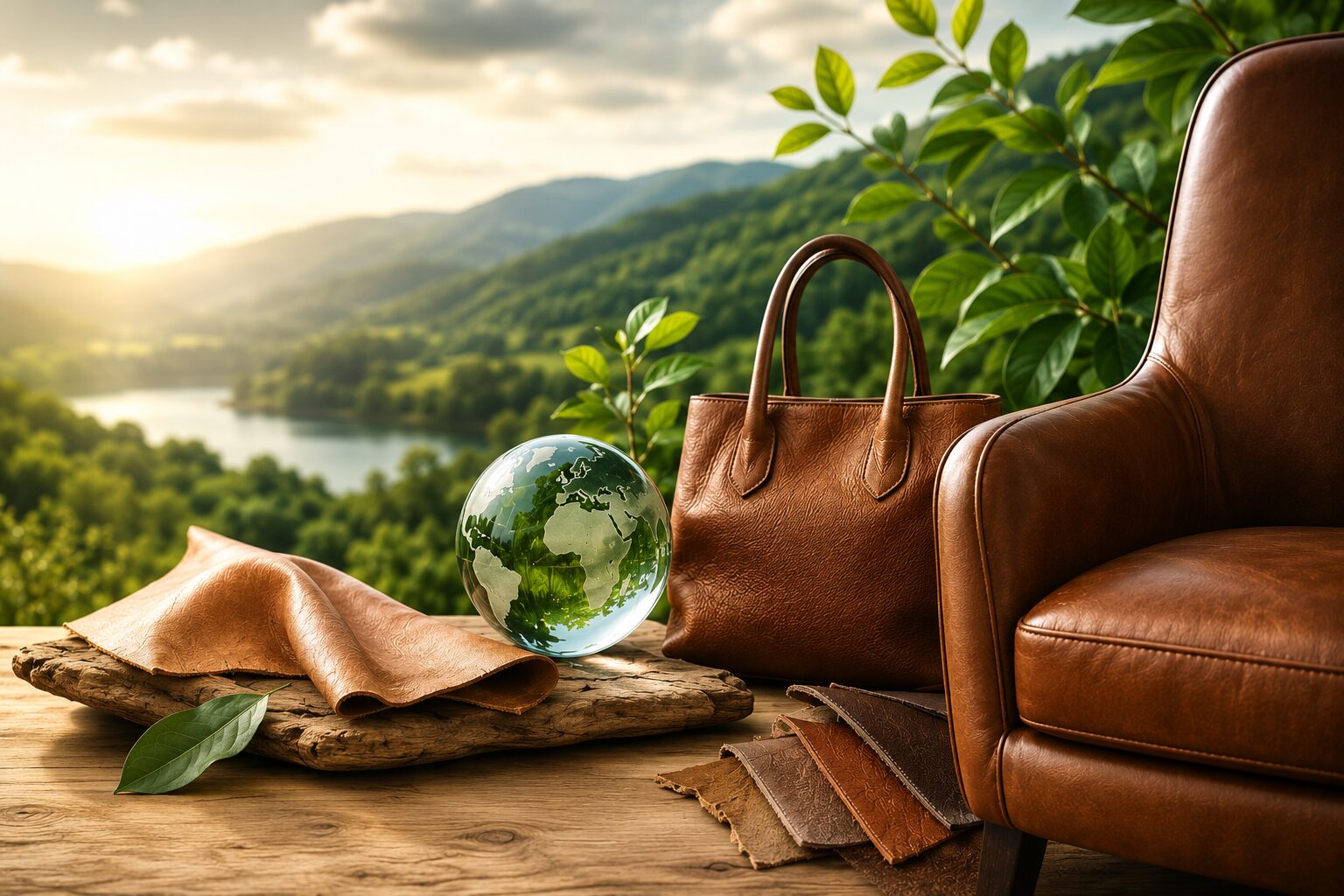
- It is a by-product of the food industry and a natural resource, as well as being a reuse of waste.
Leather comes from the food industry, which already produces meat for human consumption. In other words, it is not necessary to raise livestock for the purpose of obtaining leather; it is a resource that is used to its full potential by exploiting something that would otherwise be wasted. Furthermore, the most responsible producers minimise processing waste by transforming it into new products or reusable materials. This approach is much more sustainable than creating materials from scratch without making use of existing natural resources. Animals are raised for meat and milk. Once the animals have died, it is only right that their hides should be reused rather than thrown away.
- Leather is natural and biodegradable.
Unlike synthetic materials such as plastic or PVC, leather is fully biodegradable. When a leather product is no longer needed, it naturally decomposes without leaving any harmful residues in the environment. THIS NATURAL CYCLE ALLOWS LEATHER TO 'DISAPPEAR' WITHOUT HARMING THE PLANET. In contrast, it can take synthetic alternatives hundreds of years to degrade, during which time they release microplastics that pollute our ecosystem.
- Durability and longevity
Leather is strong and durable, meaning that leather products, such as sofas and car interiors, can last for decades without needing to be replaced. This reduces the need to manufacture new items and dispose of old ones, thereby lowering the environmental impact. In the long term, it is a material that stands the test of time, thereby avoiding the continuous use of resources to produce new goods.
- More environmentally friendly processing techniques
Today, many companies use more sustainable processing techniques to reduce the environmental impact of leather production. These processes are less polluting and create leather that is safer and less harmful to users.
- Efficient life cycle
Leather products, such as car seats and armchairs, require less maintenance than other alternatives. This means that it will last longer and require fewer repairs or replacements, which reduces resource consumption even further. Leather also adapts well to wear and tear, improving with age and acquiring a unique patina that makes it even more attractive.
- Low energy consumption in production
Unlike materials such as PVC or synthetic fibres, leather does not require large amounts of energy to produce. Leather processing is relatively low in energy consumption, especially compared to the technologies used to manufacture plastics or artificial materials. This helps to reduce the carbon footprint associated with its production.
- Relatively low carbon emissions
If managed responsibly, the production of leather has a much lower carbon footprint than that of other industrial materials. Synthetic materials, such as plastics, are often derived from fossil fuels, which contribute to increased greenhouse gas emissions. Leather, on the other hand, integrates well into natural cycles and has a lower impact on global warming.
- Sustainability and animal welfare
The sustainability of leather production ultimately hinges on the agricultural practices employed and the care that companies extend to animals. The most conscientious companies adopt high standards to ensure that animals are treated ethically. Additionally, traceability of leather is becoming increasingly common, helping to ensure that it has been produced responsibly.
In short, leather is much more than just a material; it is a natural resource that, when processed conscientiously, can be environmentally friendly and sustainable. Compared to other materials, leather has many advantages, including durability, biodegradability and reduced waste. In a world seeking greener and more responsible solutions, leather remains one of the best choices, especially when produced with respect for the environment.