
It is one of the most common misconceptions about leather sofas: “Leather is cold in winter and hot in summer.” But is that really true?
In fact, this sensation is more commonly associated with faux leather and synthetic upholstery, while genuine leather behaves quite differently.
Genuine leather is breathable
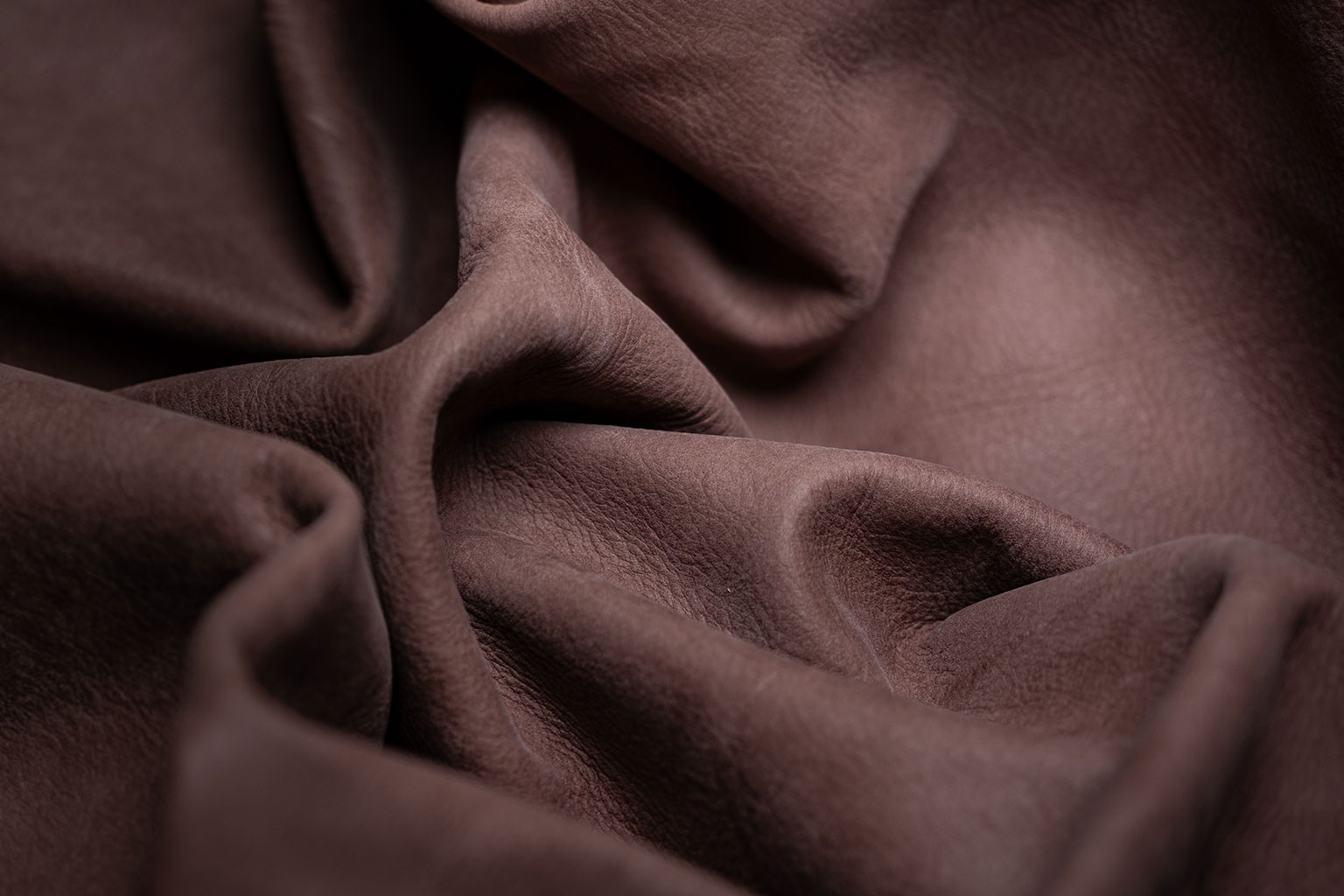
Natural leather has a fibrous structure that allows moisture exchange with the surrounding environment. This natural breathability helps make contact with the body more comfortable throughout the different seasons.
The difference is particularly noticeable with more natural, minimally coated leathers, such as aniline leather and nubuck.
In summer, these leathers feel pleasantly cool and breathable, while during the colder months they quickly reach a comfortable temperature when in contact with the body.
Why can faux leather make you sweat?
Faux leather, also known as synthetic leather or imitation leather, generally consists of a base material coated with plastics such as polyurethane (PU) or PVC.
Its synthetic surface is much less breathable than natural leather and tends to retain more heat and moisture. This is why, especially in summer, faux leather can create that familiar hot and sticky feeling that is often mistakenly associated with all leather upholstery.
During the colder months, on the other hand, a synthetic surface can feel particularly cold when you first touch it.
Natural leather and comfort: not all leathers are the same
Of course, there are differences among genuine leathers too. The type of tanning, finish, thickness and processing can all affect breathability and the way leather feels against the skin.
In general, the more the surface retains the natural characteristics of the hide – as is the case with aniline and nubuck leathers – the more noticeable these qualities become.
So, the next time someone tells you that “a leather sofa is hot in summer and cold in winter,” there is one question worth asking:
Are we sure it was genuine leather?