
Sunlight, humidity, water, lotions and intensive use: discover the challenges faced by leather in yacht and boat interiors.
Elegance, comfort, softness. These are probably the first qualities that come to mind when we think of leather in yacht interiors.
But there is a less obvious consideration: the marine environment puts materials to the test. Sunlight, humidity, salt-laden air, sunscreen and frequent use make leather selection far more technical than it may first appear.
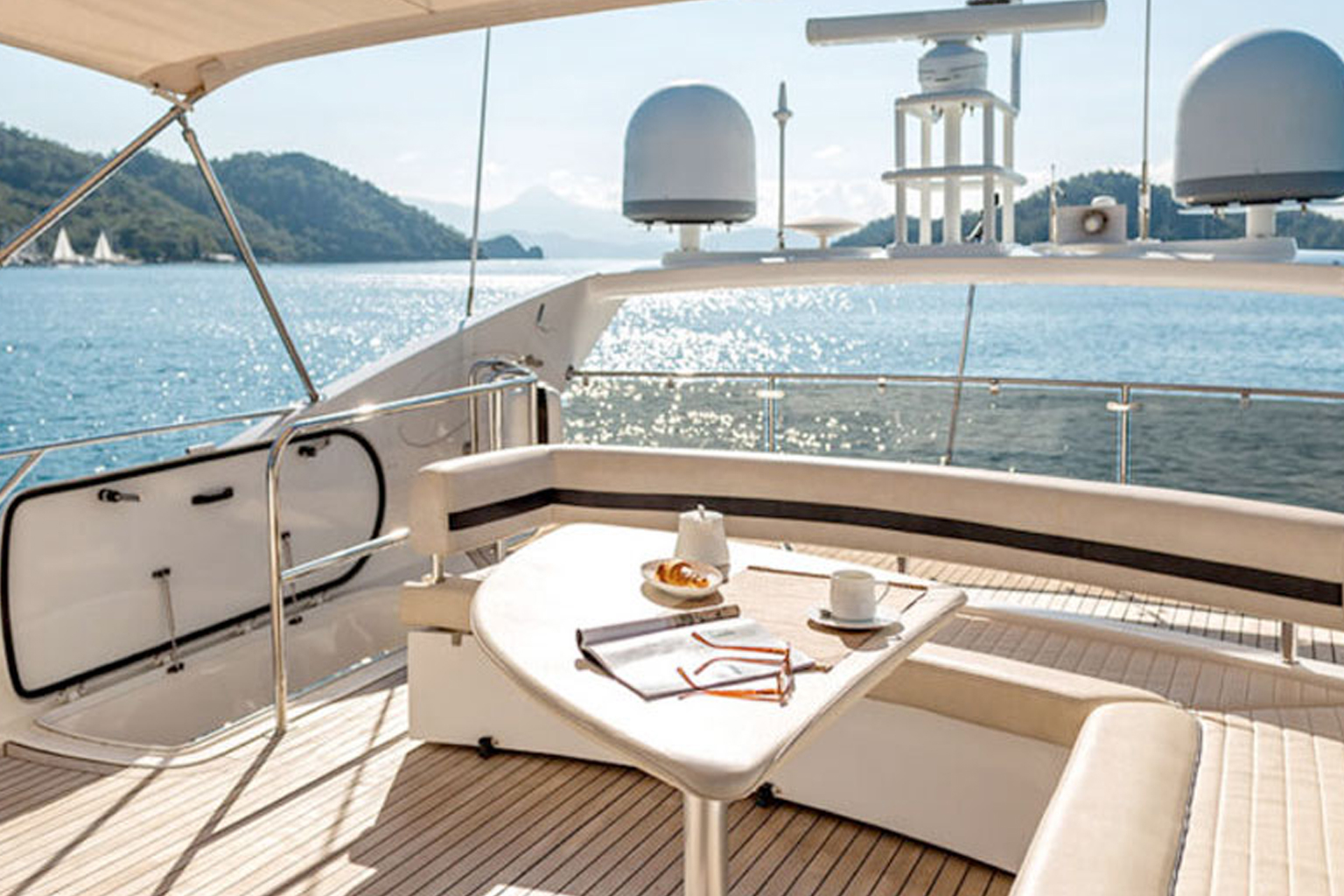
Sunlight Is One of the Main Challenges
That is why light resistance is an important consideration when choosing leather for marine applications, especially in areas with greater exposure.
Per questo, nella scelta di una pelle per nautica, la resistenza alla luce rappresenta una caratteristica importante, soprattutto nelle zone maggiormente esposte.
Water, Humidity… and More
On a boat, humidity and occasional contact with water are also part of the equation. But they are not the only factors to consider.
Sunscreen, oils and other products used on board can come into contact with seats and upholstery. Add to this frequent use and the need for regular cleaning.
Leather must therefore combine aesthetics, comfort, durability and ease of maintenance.
A Yacht Is Not Simply a Living Room on the Water
A beautiful leather that is perfectly suited to a residential setting is not necessarily the ideal choice for a yacht.
When designing marine interiors, every material must be assessed in relation to its intended environment and the performance it needs to deliver.
This is where aesthetics and technology must come together: on board, the beauty of leather lies not only in how it looks, but also in its ability to retain that appearance over time.
That is why choosing leather specifically suited to marine applications can make a real difference.